 esuregreen@gmail.com
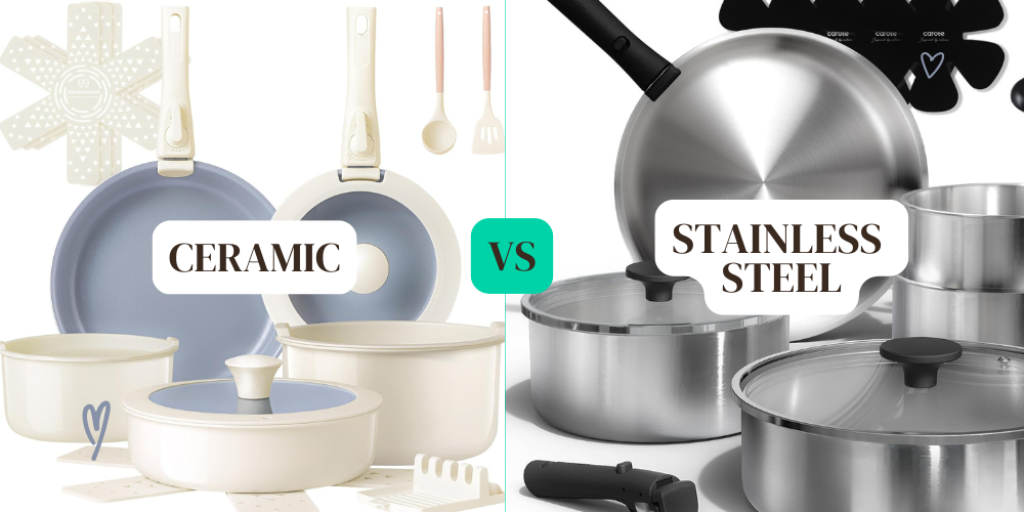
Choosing the best cookware can be surprisingly complex. while options include ceramic, stainless steel, cast iron, non-stick hybrids, and more. Each promises easier cooking, healthier meals, and lasting performance.
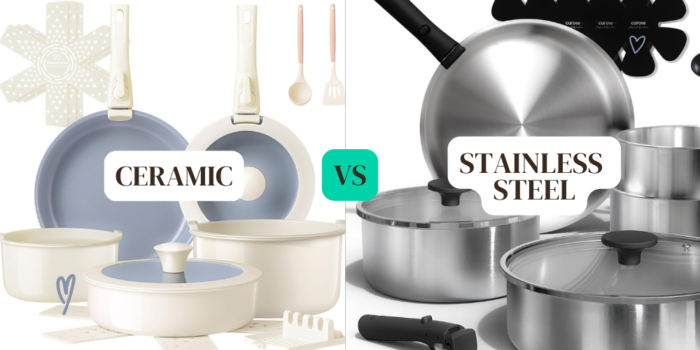
Two of the most popular choices today are stainless steel pans and ceramic cookware. Both have passionate supporters, but when comparing their real-world performance, the practical differences become clear.
If you’re deciding between stainless steel and ceramic cookware, here are the main points you should understand before making a choice.
Understanding Ceramic Cookware
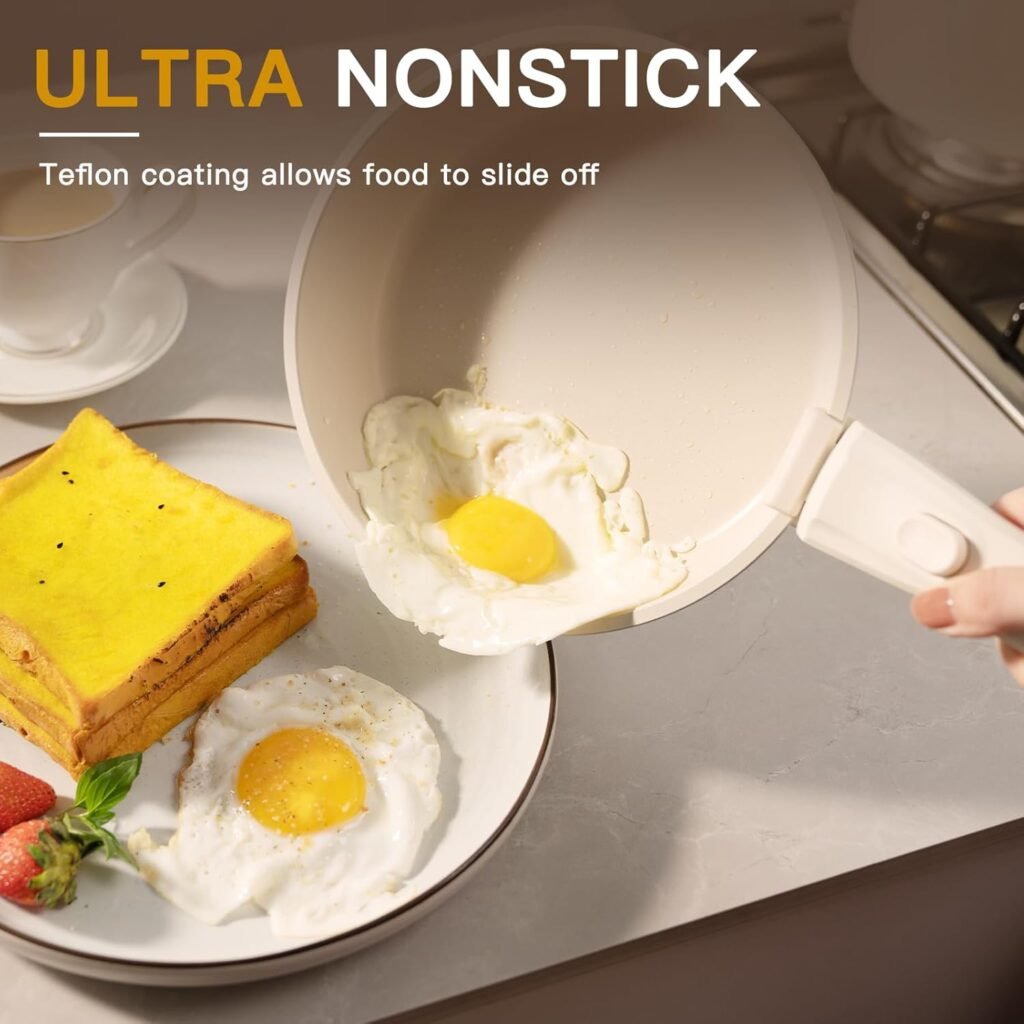
Ceramic cookware is popular because it’s marketed as a safer alternative to traditional non-stick pans. Bright colors, sleek designs, and claims of “chemical-free cooking” appeal to health-conscious consumers.
But the first thing to understand is that most ceramic cookware is not actually made entirely from ceramic.
Most ceramic pans are metal with a ceramic layer made via a sol-gel process. This coating, usually silica from sand and other compounds, forms a smooth, glass-like surface. The American Ceramic Society states that ceramic-coated cookware uses silica and metal oxides bonded into a thin layer on metal pans.
The result is a pan with a smooth, non-stick-like surface, which contrasts with stainless steel’s purely metallic surface, which requires different cooking techniques.
For many, those features are appealing.
Why People Choose Ceramic Cookware
There are several reasons ceramic cookware has become so popular.
First, it’s often marketed as PFAS-free or PFOA-free, which appeals to buyers concerned about traditional non-stick coatings.
Second, ceramic pans are usually lightweight and easy to handle. Food releases easily with a new coating, making cleanup quick.
Finally, ceramic cookware often comes in stylish designs that look attractive in modern kitchens. For buyers who want cookware that performs well and looks good on the stovetop, ceramic pans can be a strong option.
However, ceramic cookware does have some limitations worth considering, such as potential chipping and the need for careful handling.
The Durability Question
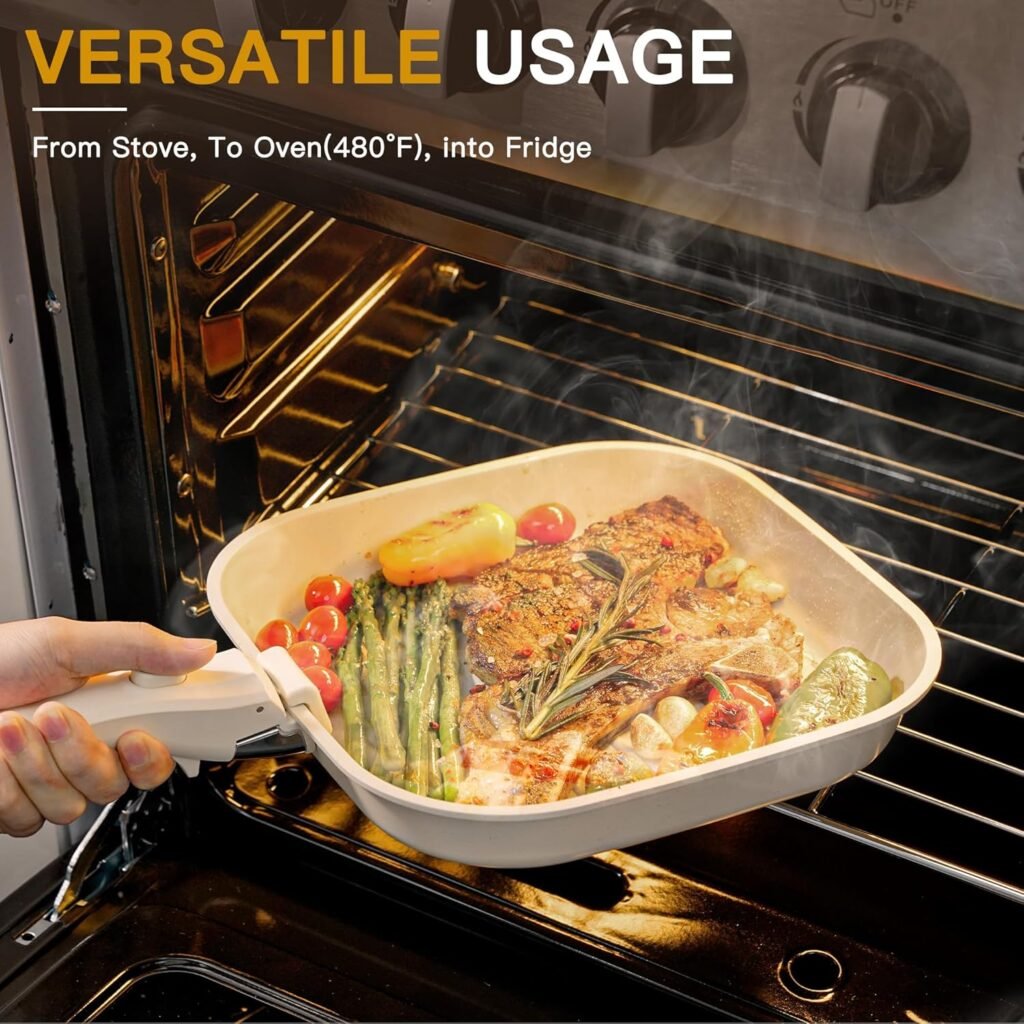
One of the most common concerns about ceramic cookware is longevity.
Ceramic cookware’s thin coating can wear down over time. High heat, metal utensils, or abrasive cleaning degrade the surface. Once this happens, food can stick, and the pan’s performance drops.
This means ceramic cookware often needs to be replaced more frequently than stainless steel cookware, which is valued for its longevity.
In contrast, stainless steel pans are known for their durability. Without any fragile coatings, a high-quality stainless steel pan can handle high temperatures, aggressive cleaning, and heavy daily use.
Many professional kitchens rely on stainless steel cookware because it withstands years of heavy use.
Is Stainless Steel Cookware Safe?
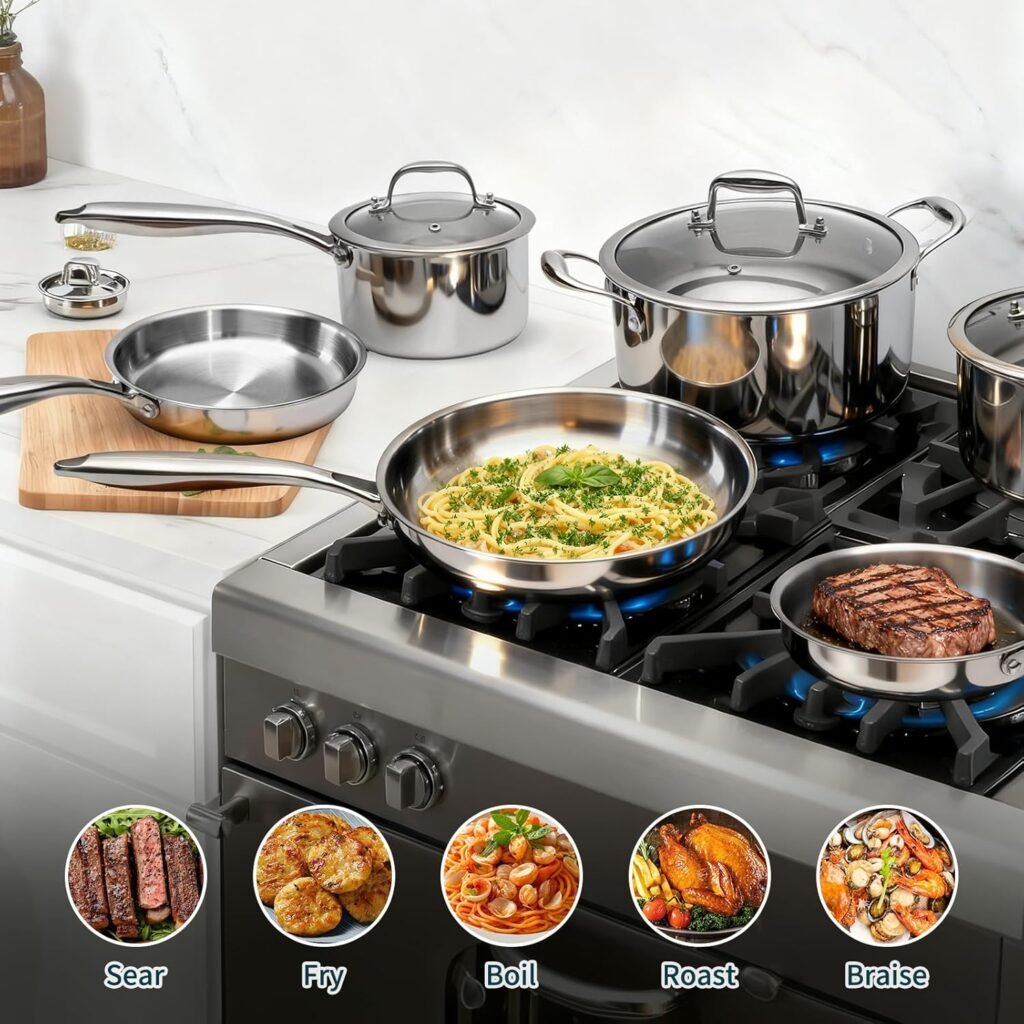
Another major question people ask is: Is stainless steel cookware safe?
It generally is.
Stainless steel cookware is stable and non-reactive in most cooking conditions.
This stability is one reason stainless steel is widely used in commercial kitchens, food processing facilities, and restaurants around the world.
Stainless steel works without chemical coatings. The cooking surface is metal—typically iron, chromium, and nickel alloys.
Stainless Steel Cookware Performance
When comparing cookware materials, performance matters just as much as safety.
Stainless steel cookware offers precision and control.
Most high-quality stainless steel cookware uses a multi-layer construction. In a typical stainless steel cookware set, the pans include:
- a stainless steel exterior
- an aluminum or copper core
- a stainless steel cooking surface
This construction allows the pan to heat evenly and remain durable. The aluminum or copper core distributes heat efficiently, helping the pan respond to temperature changes.
Many chefs find that stainless steel cookware offers an ideal balance between heat control, durability, and long-term performance—a key advantage if you cook often.
Compatibility With Modern Kitchens
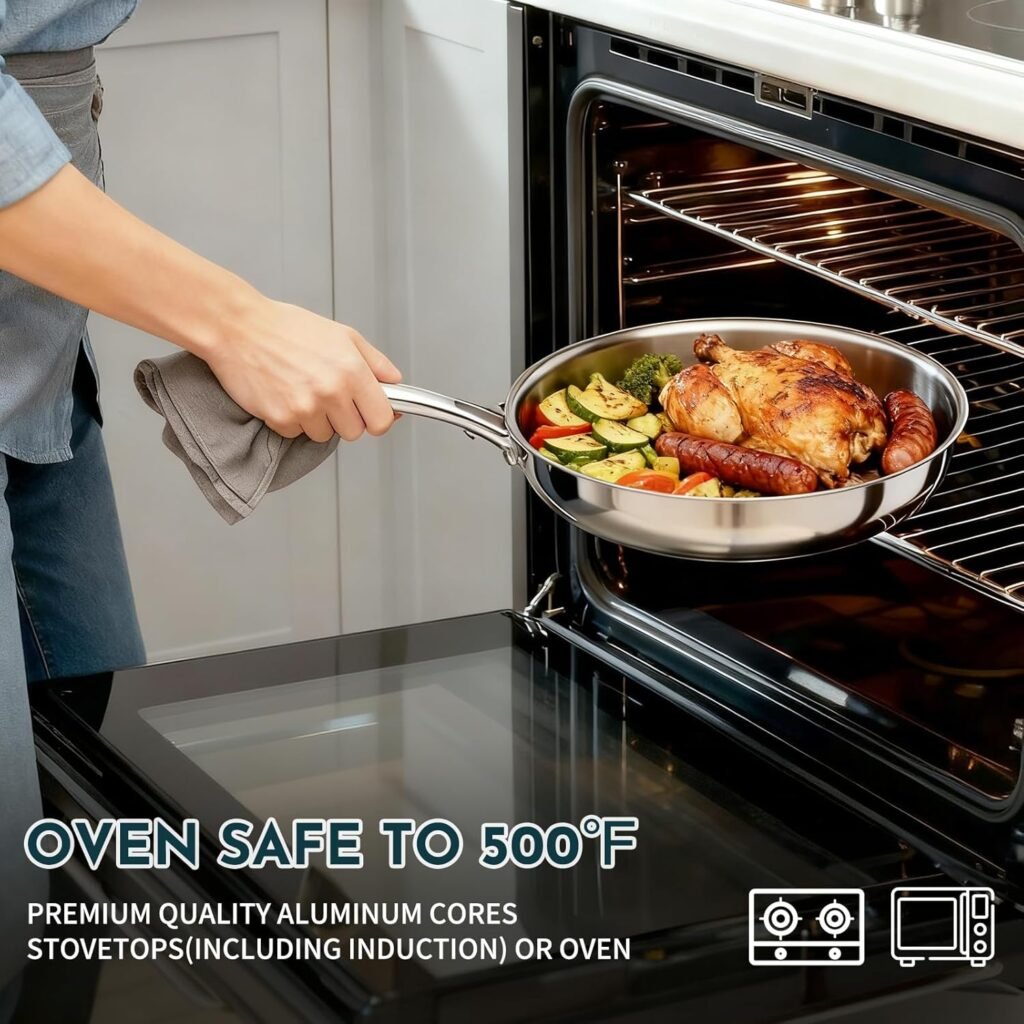
Another advantage of stainless steel cookware is versatility.
Many stainless steel pans are compatible with all stovetops, including induction. Since stainless steel contains magnetic metals, it is widely used in induction cookware.
Ceramic cookware can sometimes work with induction stoves, but it depends on the materials used in the pan’s base.
If you want cookware compatible with gas, electric, and induction stovetops, stainless steel typically offers more reliable performance than ceramic cookware, which may not always work on induction.
Transparency and Materials
Another factor some consumers consider is transparency in manufacturing.
Ceramic cookware coatings are often proprietary, so companies rarely disclose the compositions of the coatings or bonding materials.
While many ceramic products are considered safe when used properly, the lack of detailed ingredient disclosure can leave some buyers unsure of exactly what the coating contains.
Stainless steel cookware, on the other hand, relies on well-understood metal alloys that have been used in food preparation for decades.
Which Cookware Is Right for You?
Both ceramic and stainless steel cookware have strengths and drawbacks, so choose based on the performance and durability differences that matter most to you.
Ceramic pans appeal to those wanting a lightweight, smooth, modern-looking pan. For light, casual cooking, they perform well.
Stainless steel offers durability, versatility, and long-term reliability—reasons chefs and experienced home cooks usually prefer it.
If you’re looking for cookware that can handle everyday cooking while lasting for years, stainless steel is often a practical and dependable choice.
In summary: Choose ceramic for lightweight, easy-clean pans and short-term use; choose stainless steel for reliability, versatility, and long-term value. Your best option depends on your needs and how long you want your cookware to last.
Still not convince, then before deciding on the best cookware for your and your family, I’ve written about a few types of cookware you may be interested here:
- Is Ceramic cookware safe?
- Stainless Steel vs Ceramic Cookware?